NFStyles

Showing posts with label Shimla Mirchi. Show all posts

Friday, 31 October 2014

Vegetable - Capsicum - Other Tips

Nature Fitness

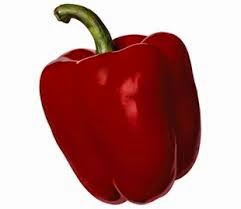
Capsicum

  1. Selection :
    • Look for capsicums that are brightly coloured, plump and shiny with a tight skin.
    • Make sure that they are free from blemishes. Any dark spots on the surface could mean that capsicum has started to decay and rot.
    • Capsicums need to be heavy and firm. Avoid the ones which are soft, dull, shrivelled or pitted.
    • Also, make sure that the stem is intact, fresh and green.
  2. Storage :
    • Fresh capsicums can be stored in a refrigerator for a period of 5 days in a plastic bag. It is a fact that green capsicums stay fresh longer than the yellow and red ones.
    • Cooked capsicums can be stored in airtight containers and then placed in cold storage. But this will remain edible for only a day or two.
    • Capsicums can also be frozen so that it can be stored for longer period of time. Whether blanched or not, they need to be cut into halves first and seeds removed before freezing. Unblanched ones should be tightly packed and sealed. Blanching means to cut the capsicum into small pieces and boil in water for 2-3 minutes and then tightly pack, seal and place inside the freezer. Remember that blanched capsicums stay fresh longer than the unblanched ones.
  3. Usage :This vegetable is used in different ways of Cooking and even in more areas as a different substitute. Read more >>

To know More about this Vegetable : Click Here

Thursday, 30 October 2014

Vegetable - Capsicum - Nutrition Facts

Capsicum


Nutrition Facts :Nutrition plays a vital role in one's life and has become an essential entity in human life and of course for those who follow regular diet for a healthy body and healthy mind.

Table listed below displays Capsicum vegetable nutrition values such as Nutrients, Vitamins , Electrolytes, Minerals and Phyto-nutrients in individual proportions.

Nutrition of Capsicum or Bell pepper

*******************************************************
NutritionSnoPrincipleNutrient value% of RDA
*******************************************************
Nutrients
1Energy31 Kcal1.50%
2Carbohydrates6.03 g4%
3Protein0.99 g2%
4Total Fat0.30 g1%
5Cholesterol0 mg0%
6Dietary Fiber2.1 g5.50%
Vitamins
1Folates46 µg12%
2Niacin0.979 mg6%
3Pyridoxine0.291 mg22%
4Riboflavin0.085 mg6.50%
5Thiamine0.054 mg4.50%
6Vitamin A3131 IU101%
7Vitamin C127.7 mg213%
8Vitamin E1.58 mg11%
9Vitamin K4.9 µg4%
Electrolytes
1Sodium4 mg< 1%
2Potassium211 mg4.50%
Minerals
1Calcium7 mg1%
2Copper0.017 mg2%
3Iron0.43 mg5%
4Magnesium12 mg3%
5Manganese0.112 mg5%
6Phosphorus26 mg4%
7Selenium0.1 µg< 1%
8Zinc0.25 mg2%
Phyto nutrients
1Carotene-β1624 µg--
2Carotene-α20 µg--
3Cryptoxanthin-β490 µg--
4Lutein-zeaxanthin51 µg--

To know More about this Vegetable, Click Here :


Vegetable - Capsicum - Health Benefits

Capsicum

  1. Metabolism, enhanced : Increases our body metabolism by lowering triglycerides which are stored in our body fats. This helps to burn calories more effectively.
  2. Anti-bacterial and anti-fungal :The anti-septic properties in capsicum makes it effective in fighting food poisoning. Coupled with a good supply of probiotics, yeast and fungal infection problems, like ring-worm, shingles, athlete's foot, etc. can be easily eliminated.
  3. Optical system : The high vitamin C and beta-carotene makes capsicums especially beneficial in preventing eye problems like astigmatism, cataracts and macular degeneration.
  4. Strengthening the immune system :Rich in vitamins, capsicum helps in strengthening the immune system by making available vitamin A and C in the body. Vitamin B and folate have been used in the treatment of depression and stress related conditions. Lycopene, another important compound found abundantly in capsicums, reduces the risk of prostate, cervical and ovarian cancer.
  5. Nose bleeding : The rich vitamin C helps to heal, repair, build/strengthen the lining of the mucous membranes to prevent nose bleeds. Mix capsicum juice with lotus root juice for better effect.
  6. Blood clots, prevent :The very high content of vitamin C in capsicum makes it very effective in preventing blood clot, thus preventing strokes.
  7. Pain relief : Capsaicin in capsicum blocks transmission of pain, so it can help relieve pain to a certain degree. It is also effective for eliminating headaches and migraines.
  8. Digestive system : Capsicum is a stimulant herb. It helps relieve gastrointestinal problems like indigestion, stomach ulcers, colic, dyspepsia, diarrhoea and even help reduce excessive flatulence.
  9. Cold feet :During the winter when you have cold feet, cut up capsicum and put them in the socks. The mild "hot"will help keep your feet nicely warm.
  10. Sore throat : Gargle some capsicum juice to help eliminate a sore throat. The anti-septic properties does the work super well.
  11. Anti-ageing : Anti-oxidant is highly effective in helping to protect the skin from free radical damage known to cause signs of ageing.
  12. Immune system :The strong content of vitamin C stimulates white cells to fight infection, naturally building a good immune system.
  13. Respiratory problems : The high level of vitamin C coupled with flavonoids make capsicum a very good food that helps prevent respiratory problems like asthma, emphysema, wheezing, lung infections, etc.
  14. Cancer, prevent : All the coloured capsicums contain very high anti-oxidant and phyto-nutrients that are especially helpful in preventing cancers of the bladder, cervix, pancreas and prostate.
  15. Lowers the fat :Capsicums are known to lower the fat stored in blood corpuscles, called triglycerides, and thus help in burning calories. This can vastly improve the body metabolism. Moreover, this vegetable is considered beneficial in weight loss as it is low in fat and carbohydrates.
To know More about this Vegetable : Click Here

Vegetable - Capsicum - Beauty Tips

Capsicum

  1. Hair care :
    1. Take 5-6 red papers, cut them and put into the bottle with alcohol. Let id brew for a week. And the extract is ready for use.
    2. One more perfect nourishing recipe. Take 1 tbsp capsicum extract, cognac, oil (vegetable or burdock), lemon, honey, and 1 egg yolk. Stir it well. These ingredients are hard to mix that's why be patient. After you finish, apply the mask onto the head skin and along the hair, cover it with polyethylene and then with a towel to create a hothouse conditions. Leave the mask on for half an hour and then shampoo it off. The result is shining healthy hair.
To know More about this Vegetable : Click Here

Vegetable - Capsicum - Allergies

Capsicum

  1. Side effects :
    1. Surgery :Capsicum might increase bleeding during and after surgery. Stop using capsicum at least 2 weeks before a scheduled surgery.
    2. If you are breast-feeding, using capsicum on your skin is likely safe. But it is possibly unsafe for your baby if you take capsicum by mouth. Skin problems (dermatitis) have been reported in breast-fed infants when mothers eat foods heavily spiced with capsicum peppers.
    3. Children : Applying capsicum to the skin of children under two years of age is possibly unsafe. Not enough is known about the safety of giving capsicum to children by mouth. Don't do it.
    4. Damaged or broken skin : Don't use capsicum on damaged or broken skin.
  2. Safety profile :The pungent level in bell peppers is almost zero "Scoville heat units"(SHU). However, their seeds and central core may contain some amount of capsaicin, which when eaten may cause severe irritation and hot sensation to mouth, tongue and throat.Note some of these points while handling capsicum annum members in general:
    1. Capsaicin in chilies, especially cayenne peppers, initially elicit inflammation when it comes in contact with the mucus membranes of oral cavity, throat and stomach, and soon produces severe burning sensation that is perceived as ‘hot' through free nerve endings in the mucosa. Eating cold yogurt helps reduce this burning pain by diluting capsaicin concentration, and preventing its contact with stomach walls.
    2. Avoid touching eyes with pepper contaminated fingers. If done so, rinse eyes thoroughly in cold water to reduce irritation.
    3. They may aggravate underlying gastro-esophageal reflux (GER) condition.
To know More about this Vegetable : Click Here

Wednesday, 10 September 2014

Vegetable - Capsicum

Capsicum

Health Benefits
Nutrition Facts
Beauty Tips
Varieties
Naming Convention
Allergies
Other Tips
About the Vegetable :Capsicum or Bell pepper,is the most popular of the chilli peppers in the Capsicum annum family. It is a fruit pod of small perennial shrub in the nightshade or Solanaceae family, in the genus, capsicum. Unlike their fellow capsicum members, sweet peppers have characteristic bell shape with crunchy, thick fleshy texture. Additionally, on comparison with other members, bell peppers feature characteristically less pungency that ranges from zero to very minimal hotness. For the same reasons, they generally treated like any other common vegetables instead of spice.In structure, sweet pepper features blocky, cube like outer flesh enclosing numerous tiny, white, or cream colored, circular and flat seeds. The seeds are actually clinging on to the central core (placenta). The fruit of Capsicum plants have a variety of names depending on place and type. The piquant (spicy) varieties are commonly called chili peppers, or simply "chilies". The large, mild form is called red pepper, green pepper, or bell pepper in North America and typically just "capsicum" in New Zealand,Australia, and India. The fruit is called paprika in some other countries

Scientific / Binomial name : Capsicum annum

Popularly Known as :Bell Pepper, Bengaluru Mirchi, Banglore Mirapakaya, Shimla Mirchi

Usage :

  • Fresh raw bell peppers are being used as vegetables in cuisines. They can be eaten raw as in salads or cooked in stir-fries.
  • In many parts of South Asia, they are mixed with other vegetables like potato, carrots, aubergine, green beans etc., along with tomato, garlic, onion, mustard seeds, cumin, and other spices in various mouth-watering stir-fries (sabzi).
  • They can also be stuffed with rice, meat, cheddar cheese, dried fruits, nuts, etc., and, then cooked/roasted.
  • They can also be grilled and served with sauce, cheese, and olive oil or with dips.
  • Finely chopped sweet peppers can be used in Chinese-style vegetable stir-fries, and noodles.
  • Sweet peppers are one of the popular ingredients in Italian pizza and pasta.
  • Capsicum species have also found use in medicines.
  • This Vegetable is also available in many colours and varieties in the market..Hence the combination of this vegetable with different colours makes the recipe more colourful and tasty too.

Culinary Used Areas :Capsicum is native to Americas, where they have been cultivated for thousands of years. In modern times, it is cultivated worldwide, and has become a key element in many regional cuisines.


Vegetables - Capsicum - Varieties


To know More about this Vegetable : Click Here