NFStyles

Showing posts with label Colocasia. Show all posts

Thursday, 16 October 2014

Vegetable - Colocasia - Other Tips

Nature Fitness

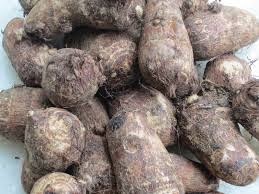
Colocasia (Taro root)

a
  1. Cooking :

    Kesa or Kesuvina Palya : Try Recipe with Colocasia Leaves

    The Colocasia leaves or Kesuvina leaves are finely chopped and neatly washed with water. Then the chopped Colocasia leaves are cooked in Pressure cooker by adding a little water, not more than 5% of the quantity of colocasia leaves. The leaves are cooked for almost 10 minutes or until the steam cooker attains 4-5 pressure whistles. The cooked leaves are then boiled in low flame. Meanwhile, Spicy chillies, preferably Jeerige Menasinakayi (native to Malenadu region of Chikkamangaluru) and Garlic are ground into paste and added to the cooked colocasia leaves and stirred. To this mixture, Lemon extract is added, preferably 2-3 lemon extracts and cooked for 3–4 minutes. Now, Kesa or Kesuvina palya is ready to eat. It is recommmended to eat this with Akki rotti or rice with ghee. This dish is native to Chikkamangaluru and can be asked for in Home Stays and Resorts in Chikkamangaluru. This leaf is also used in Gujarat by the name "Arvi" (or "Alvi") and is used to make a steamed dish similar to Patrode, but with gram flour instead of rice flour as in Patrode.

  2. Selection :Buy fresh, firm, medium size hairy corms that feel heavy in hand for their size. Avoid those with soft spots, cracks, or featuring sprouts at the scales.
  3. Storage :Fresh corms stored in cool, dark, well-ventilated place as in potato, yams, etc. Do not keep them inside the refrigerator, as they would sustain chilling injury. Taro's greens, however, should be placed inside the refrigerator and used as in a way like other greens.
To know More about this Vegetable : Click Here

Vegetable - Coloscasia - Nutrition Facts

Colocasia (Taro root)

Vitamins & Minerals :

VitaminsIt contains good levels of the valuable B-complex group of vitamins such as pyridoxine (vitamin B-6), folates, riboflavin, pantothenic acid, and thiamine.
MineralsThis root has very good amount of potassium. Potassium is an important component of cell and body fluids that help regulate heart rate and blood pressure.These roots provide healthy amounts of some important minerals like zinc, magnesium, copper, iron, and manganese.


To know More about this Vegetable : Click Here

Vegetable - Colocasia - Health Benefits

Colocasia (Taro root)

  1. Regulates heart rate and blood pressure :The root has very good amounts of potassium where as Potassium is an important component of cell and body fluids that regulates heart rate and blood pressure.
  2. Proteins :Contains high amounts of proteins than in cereals and pulses.
  3. Safe for human consumption :Chemical oxalic acids are destroyed when cooked and this is safe for human consumption.
  4. Ageing process :This is a very nutritious food that contains many Vitamins – A, C, B, minerals like copper, manganese, zinc, magnesium, calcium, iron, selenium, potassium, beta-carotene and cryptoxanthin. All these are good antioxidants that are useful to protect against diseases and slow down the ageing process. This also contains protein and is gluten-free, cholesterol-free and low in sodium too.
  5. Low calories :fibre content in these roots will fill you up and make you feel less hungry with fewer calories.
  6. Hypertension :Hypertension or high blood pressure is mostly observed in the mid aged group of individuals which can be kept in control by consuming foods that are low in fat and sodium. One cup of taro gives only 20 mg of sodium that helps to maintain kidney problems and fluid retention.
  7. Good choice for starch :With the additional benefits of fibre and a low Glycemic Index, taro is still a good choice as a starch vegetable.
  8. Reduces Fatigue :Colocasia is mainly consumed by athletes for long lasting energy. This is because it contains a low glycemic index which is good for athletes
  9. Digestion: This root contains a good amount of fibre that is useful for the digestive process. This gives you a feeling of being full for a longer time even after a small meal. Thus, eating taro roots can be useful to lose pounds and maintain your weight, since it has low calories and high fibre.
  10. Clear stomach : Foods that contains high amount of fibre are also known to boost the digestive process. This helps to eliminate the wastes from the body and prevent re-occurrence.
  11. Antioxidant :Colocasia is one of the best sources of Vitamin C, since one cup of taro can give 11% of your daily requirement of Vitamin C. This acts as an antioxidant to remove toxins from your body and detoxifies it.
  12. Muscle health :Colocasia contains Vitamin E and magnesium that can protect you from cancer and heart disease. This also helps to maintain your blood pressure and is helpful for fluid regulation. Taro roots contain magnesium which is vital for muscle, bone and nerve health.
To know More about this Vegetable : Click Here

Vegetable - Colocasia - Beauty Tips

Colocasia (Taro root)

  1. Glow skin and healthy eyes :Colocasia root components are useful to maintain healthy mucus membranes, skin and vision.
  2. Fair body structure :These roots are very low in fats for maintaing attractive body structure.
To know More about this Vegetable : Click Here

Vegetable - Colocasia - Allergies

Colocasia (Taro root)

  1. Side effects : Colocasia is inedible raw and must be cooked thoroughly to leach out the calcium oxalate (associated with gout and kidney stones), preferably with a pinch of baking soda.If not cooked properly,digestion problems occur.
To know More about this Vegetable : Click Here

Tuesday, 7 October 2014

Vegetable COLOCASIA in Telugu Language

Colocasia

GroceryVegetables
CategoryVegetables - Non-Leafy Vegetables
EnglishColocasia
TeluguChamagadda / Chamadumpa

Know More about Colocasia Vegetable:
Colacasia Health Benefits, Beauty tips, Allergies and more
Colocasia Varieties
Colocasia Tasty Recipes